
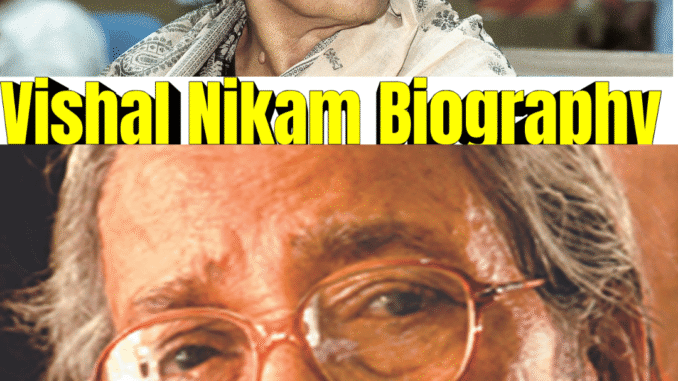
The Mahasweta Devi biography is a remarkable story of courage, compassion, and commitment to social justice. She was not just a writer; she was a voice for the voiceless. Through her powerful literature and fearless activism, Mahasweta Devi highlighted the struggles of tribal communities, marginalized groups, and oppressed people in India.
Born in 1926, Mahasweta Devi dedicated her life to writing stories that reflected harsh social realities. Her works were deeply rooted in truth, resistance, and humanity. Over the decades, she became one of the most respected literary figures in India.
This detailed Mahasweta Devi biography covers her early life, education, literary journey, activism, awards, major works, and the lasting legacy she left behind.
Mahasweta Devi Biography
| Field | Details |
|---|---|
| Full Name | Mahasweta Devi |
| Date of Birth | 14 January 1926 |
| Place of Birth | Dhaka, Bengal Presidency (now Bangladesh) |
| Nationality | Indian |
| Profession | Writer, Social Activist |
| Language | Bengali |
| Education | Visva-Bharati University, University of Calcutta |
| Famous Works | Hajar Churashir Ma, Rudali, Aranyer Adhikar |
| Major Awards | Jnanpith Award, Ramon Magsaysay Award, Padma Shri, Padma Vibhushan |
| Death | 28 July 2016, Kolkata, India |
| Known For | Tribal rights activism and socially conscious literature |
Early Life and Family Background
The Mahasweta Devi biography begins in Dhaka, where she was born on 14 January 1926 into a culturally rich and intellectual family. Her father, Manish Ghatak, was a well-known poet and novelist. Her mother, Dharitri Devi, was a writer and social worker.
Growing up in such an environment exposed her to literature, art, and social issues at a young age. Creativity flowed naturally in her family. Her uncle, Ritwik Ghatak, later became a famous filmmaker.
From childhood, Mahasweta Devi showed deep sensitivity toward injustice. She observed the struggles of common people and carried those observations into her later writings.
Education and Academic Journey
Education played a significant role in shaping her worldview. She studied at Visva-Bharati University, founded by Nobel Laureate Rabindranath Tagore. This institution emphasized creativity, cultural awareness, and social responsibility.
Later, she completed her Master’s degree in English from the University of Calcutta. Her academic training strengthened her analytical thinking and literary skills.
During her student years, India was experiencing political unrest and the freedom movement. These historical events deeply influenced her thinking and future writing themes.
Beginning of Literary Career
The Mahasweta Devi biography highlights that she began writing at a young age. Her first major work was a biography of Rani Lakshmibai titled Jhansir Rani (1956). This book was widely appreciated for its historical accuracy and emotional depth.
Initially, she worked as a teacher and journalist while continuing to write. Over time, writing became her primary focus.
Her early works focused on historical subjects. However, she later shifted her attention to contemporary social issues, especially the condition of tribal communities.
Literary Themes and Writing Style
Mahasweta Devi’s writing style was direct, realistic, and emotionally powerful. She did not romanticize poverty or struggle. Instead, she presented harsh realities with clarity and honesty.
Key themes in her works include:
- Tribal oppression
- Exploitation by landlords and authorities
- Women’s struggles
- Political injustice
- Resistance and rebellion
Her characters were often drawn from real life. She spent years visiting remote tribal areas to understand their problems firsthand. This ground-level research gave her writing authenticity and credibility.
Famous Books and Major Works
The Mahasweta Devi biography cannot be complete without discussing her major literary contributions.
1. Hajar Churashir Ma (Mother of 1084)
This novel deals with the Naxalite movement in Bengal and a mother’s emotional journey after losing her son. It became one of her most powerful political works.
2. Rudali
Rudali tells the story of poor women who are hired to cry at funerals. It highlights class divisions and social hypocrisy. The story was later adapted into a popular film.
3. Aranyer Adhikar (Right to the Forest)
This novel focuses on Birsa Munda, a tribal leader who fought against British rule. It reflects her deep commitment to tribal history and rights.
4. Draupadi
A short story that presents a strong female character who resists oppression. It is widely studied in feminist literature courses.
She wrote over 100 novels and 20 short story collections, making her one of the most prolific writers in Indian literature.
Activism and Social Work
Unlike many writers who remain distant observers, Mahasweta Devi actively participated in social movements. She worked extensively with tribal communities in West Bengal, Bihar, Madhya Pradesh, and Chhattisgarh.
She fought for:
- Land rights
- Fair wages
- Legal protection
- Social dignity
Her activism was not symbolic. She visited villages, filed petitions, and directly supported tribal families in legal battles.
The Mahasweta Devi biography proves that she was not just a writer of protest—she was a participant in the struggle.
Contribution to Tribal Rights
One of her most important contributions was raising awareness about tribal exploitation. She documented cases of bonded labor, displacement, and police violence.
Her journalism and activism pressured authorities to recognize tribal rights.
Many scholars consider her work a bridge between literature and activism. She used storytelling as a tool for justice.
Awards and Recognition
Mahasweta Devi received numerous prestigious awards for her literary excellence and social commitment.
Major awards include:
- Jnanpith Award (1996) – India’s highest literary honor
- Ramon Magsaysay Award (1997) – Often called Asia’s Nobel Prize
- Padma Shri (1986)
- Padma Vibhushan (2006)
These awards recognized not only her writing but also her dedication to human rights.
Personal Life
Mahasweta Devi was married to playwright Bijon Bhattacharya, though they later separated. Her son, Nabarun Bhattacharya, became a well-known writer.
Despite personal challenges, she remained focused on her mission. She lived a simple life, dedicating most of her time to writing and activism.
Challenges and Struggles
The Mahasweta Devi biography also includes many struggles. She faced political criticism, censorship pressures, and financial difficulties during certain periods.
Her outspoken nature often brought her into conflict with authorities. However, she never softened her stance for popularity.
Her courage and determination became defining features of her personality.
Impact on Indian Literature
Mahasweta Devi changed the direction of modern Indian literature. She shifted focus toward marginalized communities, bringing them to the center of storytelling.
Her works are studied in universities worldwide. Scholars praise her for combining literary excellence with social responsibility.
She influenced many writers to address real-world issues rather than fictional fantasies alone.
Feminist Perspective in Her Work
Although she did not label herself strictly as a feminist writer, her stories strongly supported women’s empowerment.
Her female characters often display:
- Strength under pressure
- Moral courage
- Emotional resilience
- Resistance against injustice
Through literature, she challenged patriarchal norms and social inequality.
Death and Legacy
Mahasweta Devi passed away on 28 July 2016 in Kolkata. Her death marked the end of an era in socially committed literature.
However, her legacy lives on. Her books continue to inspire students, activists, writers, and social reformers.
The Mahasweta Devi biography stands as a reminder that literature can create real change.
Lessons from Mahasweta Devi Biography
There are many lessons to learn from her life:
- Writing can be a tool for social justice.
- Education builds awareness and responsibility.
- Courage is essential when fighting injustice.
- Real leadership means standing with the oppressed.
- Dedication creates lasting impact.
Her life proves that one person’s voice can influence an entire nation.
Frequently Asked Questions (FAQs)
1. Who was Mahasweta Devi?
Mahasweta Devi was an Indian writer and social activist known for her work on tribal rights and social justice.
2. What is Mahasweta Devi famous for?
She is famous for her powerful novels such as Hajar Churashir Ma, Rudali, and Aranyer Adhikar, and for her activism.
3. Which awards did Mahasweta Devi receive?
She received the Jnanpith Award, Ramon Magsaysay Award, Padma Shri, and Padma Vibhushan.
4. What themes did she focus on in her writing?
She focused on tribal oppression, women’s struggles, exploitation, and political injustice.
5. When did Mahasweta Devi die?
She passed away on 28 July 2016 in Kolkata.
6. Why is Mahasweta Devi important in Indian literature?
She brought marginalized communities into mainstream literature and combined storytelling with activism.
Conclusion
The Mahasweta Devi biography is a story of commitment, bravery, and compassion. She used her pen as a weapon against injustice. Her life demonstrates that literature is not just entertainment—it can be a powerful force for change.
From her early days in Dhaka to her final years as an internationally respected author, Mahasweta Devi remained true to her mission. Her works continue to educate and inspire generations.
She was not merely a writer. She was a movement.
And that is why the Mahasweta Devi biography will always remain relevant in the history of Indian literature and social reform.
Leave a Reply